

Ambrosia (Food of the Gods) – Fresh Czech Bee Bread 500 g
Fresh fermented bee bread from Czech beekeepers, RAW, 500 g. A natural product made from pollen fermented inside the hive.
In stock
The fermented power of the hive.
Fresh RAW bee bread from Czech mountain regions.
Traditional beekeeping
Ambrosia 500 g
| Type | Bee bread |
|---|---|
| Origin | Czech Republic |
| Weight | 500 g |
| Characteristic | Fermented |
Fresh bee bread from Czechia

The finest fresh bee bread in Europe, sourced exclusively from Czech bees in mountain regions. RAW and 100% fresh.
– Stored in violet MIRON glass (more details at the end of this page).

Note: For Ambrosia, we place great emphasis on quality, origin and freshness. We offer only bee bread that we use ourselves and whose origin and harvesting methods meet our requirements. The price may vary depending on the season, availability and the particular source.
When selecting bee bread, we prefer products from areas exposed as little as possible to intensive agriculture. Because bees naturally fly over a wider area when collecting pollen, we consider the origin and environment of the colonies important selection criteria. High-quality bee bread is a seasonal natural product, so its properties and availability may naturally vary between harvests.
During the winter months, we may contact you depending on the current availability of Ambrosia from our beekeepers.
We package Ambrosia in dark violet glass, chosen to help protect the product during storage.
Ambrosia has long been part of our own diet and is among the bee products to which we pay particular attention.

The bee in Egyptian hieroglyphs
As many people know, we have been studying nutrition and natural sources of nutrients for 15 years. Among the foods we have explored during this time, two that have interested us are breast milk and Ambrosia – fermented bee bread produced when bees naturally process pollen and it subsequently ferments in the hive.
The name Ambrosia refers to ancient Greek mythology and the legendary food of the Olympian gods. In ancient stories, ambrosia and nectar were associated with gods, immortality and eternal youth. This mythological symbolism inspired the name of our fermented bee bread.
For us, Ambrosia connects the ancient Greek idea of the “food of the gods” with the natural process through which bees transform flower pollen into fermented bee bread.

Greek mythology is full of varied stories about the Olympian gods consuming so-called Ambrosia (the divine food of immortality).

Ambrosia – fermented bee bread
If we were to call any natural bee product Ambrosia, it would be fermented bee bread. Bee bread has a long history of use and remains one of the most fascinating products originating directly from the environment of the beehive. This is the Ambrosia we will explore in greater detail here.
Since 2026, we have been bringing it to a wider audience in Slovakia and other European countries. As enthusiasts of bee products, we have made Ambrosia available in our market, with an emphasis on its RAW nature, freshness, origin and the gentlest possible processing.
We have included Ambrosia in our own diet for many years, including as active athletes. It has become a regular part of our personal nutritional routine. This is our own experience with the product, not a claim about any specific health effect.

It is a natural, whole food from the unique environment of a beehive. Its foundation is locally collected flower pollen, which bees process naturally inside the hive. As with other fermented foods, a natural fermentation process takes place, gradually changing the original pollen and its individual components. The result is the distinctive fermented bee product known as bee bread.
Pollen is produced in the male reproductive organs of flowers – the anthers – and plays a fundamental role in plant reproduction. Bees collect it primarily from the flowers of insect-pollinated plants, form it into pollen pellets on their hind legs and carry it back to the hive.
Pollen is a natural source of protein in bees’ diets and one of the basic food resources of a colony. It is particularly important for feeding developing bee brood and young bees. Components obtained from pollen also contribute, through young bees, to the production of food intended for larvae and the queen.
After bringing pollen into the hive, bees deposit it in honeycomb cells, where they process it further. Gradual compression, mixing with other natural components and fermentation produce bee bread – a natural food reserve that plays an important role in the functioning and nutrition of the colony.

Fermented bee bread should not be confused with bee pollen. Although bee bread originates from pollen, it undergoes fermentation during natural processing in the hive, changing its original properties. Fermentation may affect the availability of certain naturally occurring nutrients and other components. Bee bread and bee pollen are therefore two distinct bee products with different properties.
Bee bread is a unique natural product made by bees themselves. It begins with pollen, which bees store in honeycomb cells, moisten with nectar or honey and enrich with their own secretions. They gradually compress the prepared mixture inside the cells, creating conditions for natural fermentation involving microorganisms naturally present in this environment.
During fermentation, the original pollen undergoes gradual biochemical changes, producing the characteristic product known as “bee bread.” Its exact composition, the proportions of individual components and the fermentation process may naturally vary depending on the botanical origin of the pollen, the colony, location and other conditions.

Enzymes are substances involved in many biochemical processes. Bee bread is produced by bees’ natural processing of pollen and its subsequent fermentation in the comb. The result is a naturally fermented food with a characteristic composition. Its exact composition may naturally vary according to the botanical origin of the pollen, location, harvest season and other conditions.
Bee bread is a complex mixture of naturally occurring components derived mainly from flower pollen. Scientific literature describes the presence of proteins and amino acids, carbohydrates, fatty acids, minerals, vitamins, enzymes and other naturally occurring substances in bee bread. However, their proportions and exact amounts can vary considerably between products and harvests.
Fatty acids described in bee pollen and bee bread include linoleic acid and alpha-linolenic acid. Both are essential fatty acids that the human body cannot produce on its own and must obtain from food. Their actual levels in our product depend on the natural composition of the pollen used.
Bee bread is a natural part of a bee colony’s diet. It is made from pollen that bees bring into the hive, store in honeycomb cells and process naturally. Our bee bread comes from experienced Czech beekeepers who take a gentle approach to their colonies and ensure that the bees retain sufficient supplies of their natural food.


The history of bee bread
Bee products have a long history of use in different cultures. References to honey, pollen and other bee products appear in historical sources from many parts of the world, including Egypt, China and Central America. Their significance and uses differed from one culture to another.
Pollen and other natural products were historically part of traditional diets, customs and folk practices. Some cultures also attributed symbolic or ritual significance to them. However, these historical uses cannot be regarded as proof of health effects according to modern scientific standards.
Bee bread continues to attract scientific interest. Research focuses primarily on its composition, fermentation process and naturally occurring substances. Because its composition depends on the botanical and geographical origin of the pollen and other conditions, individual samples of bee bread may differ.
Bee bread can be classified as a traditional fermented bee product. It remains an interesting subject of research today, and our understanding of its composition and properties continues to develop.

Abundant simplicity
Bee bread fits naturally with our idea of “abundant simplicity” – prioritizing quality and meaningful choices over unnecessary quantity. For us, this principle means choosing natural foods with a varied composition and including them in the diet even in smaller amounts.
We see the beauty of “abundant simplicity” in its straightforwardness. It is not about consuming ever greater quantities, but about consciously choosing high-quality foods and considering the diet as a whole. Bee bread is a good example of this approach – a traditional fermented bee product whose natural composition can change according to pollen origin, location and harvest season.

Why bee bread is not the same as bee pollen
Bee bread and flower pollen are not identical products. Pollen is the basic raw material that bees process after bringing it into the hive. They store it in honeycomb cells, mix it with their own secretions and other natural components and create the conditions for fermentation. This gradually produces bee bread, also known as Perga.
Bees obtain mainly nectar and pollen. They process nectar into honey, which provides the colony primarily with carbohydrates and energy. Pollen and the bee bread derived from it are important sources of proteins, lipids and other nutrients needed to nourish the colony.
Fermentation changes the properties of the original pollen. Microbial and enzymatic processes take place as the pollen is processed inside the hive, affecting its chemical composition and properties. Scientific literature also describes changes in the availability of some components. The extent of these changes depends on the botanical origin of the pollen, the microbial environment and fermentation conditions.
The principle of fermentation is also familiar from human nutrition. We use it to make kefir, yoghurt, sauerkraut and sourdough bread and many other traditional foods. Fermentation can change the taste, texture, shelf life and composition of the original ingredient. Bee bread is an interesting example of a natural fermentation process taking place directly inside the beehive.
What does a pollen grain look like?
Pollen grains naturally have a resilient outer wall. Its toughest outer layer is known as the exineand consists mainly of sporopollenin. Beneath it lies an inner layer – the intine– which contains cellulose, pectins and other substances. The structure and surface of pollen grains vary considerably between plant species.
Under high magnification, we can see how diverse and intricate the structures of individual pollen grains are. Pumpkin pollen, for example, is among the noticeably large pollen grains with a characteristically structured surface.
Fermentation and other processes involved in the formation of bee bread may affect this natural structure and the properties of the pollen. This is why we regard bee bread as a distinct fermented bee product, rather than simply ordinary flower pollen.

Bee bread differs from raw pollen through fermentation, which causes various biochemical changes. Fermentation and enzymatic processes can affect the structure of pollen grains and change the proportions of some of their components. These processes may also involve the partial breakdown of proteins into simpler peptides and amino acids.
Scientific literature describes differences in the digestibility and availability of certain nutrients in fermented bee bread compared with raw pollen. However, these changes are not identical in every bee bread product and depend on the botanical origin of the pollen, the fermentation process and other conditions.
To illustrate the process, we can compare it with other foods whose properties change through sprouting or fermentation. However, this is only an illustration of the processing principle – not a claim that bee bread and fermented grains have the same composition or nutritional properties.

↑ Raw flower pollen VS fermenting pollen in honeycombs (bee bread – Ambrosia/Perga) ↓

As pollen is transformed into bee bread, fermentation and enzymatic processes change its original composition and properties. Scientific literature describes changes in the proportions of certain vitamins, phenolic compounds and other naturally occurring components. However, it cannot generally be claimed that fermentation always increases the amount or bioavailability of every vitamin, mineral or antioxidant. The final composition depends mainly on the botanical origin of the pollen and fermentation conditions.
Fermentation can also affect the structure of pollen grains and the form in which some of their components occur. This can change the properties and availability of certain nutrients. The extent of these changes naturally differs between types of bee bread.
To produce bee bread, bees process pollen together with other natural components and store it in honeycomb cells, where fermentation takes place. During this process, organic acids, including lactic acid, are produced. The result is a characteristic fermented product whose composition and properties differ from those of the original raw pollen.
Fermentation also plays a role in the natural preservation of pollen inside the hive. The production of organic acids and other changes in the environment contribute to the stability of bee bread. This allows the colony to preserve pollen as a food reserve. However, the quality and shelf life of the product always depend on its origin, moisture content, harvesting method and subsequent storage conditions.

Ambrosia – a naturally fermented bee product
We regard Ambrosia as a valuable part of a varied diet and one of the natural products we have been interested in for a long time. Bee bread is produced by bees’ natural processing of flower pollen and its subsequent fermentation in the hive. Its composition naturally varies depending on the botanical origin of the pollen, location, harvest season and other conditions.
Scientific literature describes various naturally occurring components in bee bread, including proteins and amino acids, carbohydrates, fatty acids, minerals, vitamins, enzymes and other substances. Their specific proportions and quantities depend on the particular product and cannot be declared as guaranteed levels without an analysis of the specific batch.
Important information about health claims
For Ambrosia, we do not use general health claims attributed to bee pollen, such as “antioxidant action,” “immune support,” “normal cardiovascular function,” “immunomodulation,” or effects on blood lipids. These statements cannot automatically be considered health claims authorised for this specific product under Commission Regulation (EU) No 432/2012.
If laboratory analysis of a specific product demonstrates sufficient levels of a particular vitamin or mineral, the use of the corresponding authorised health claim for that nutrientmay then be considered, but only if all the conditions for its use are met.
Bees as a symbol of life
Bees held an important place in ancient cultures and appear in their art, symbolism and everyday life. Bee products have accompanied humanity for thousands of years, which is one reason why their history and natural production still fascinate us.

The exact nutritional values of a natural product such as bee bread may vary according to the botanical origin of the pollen, location, harvest season and other conditions. Without laboratory analysis of the specific batch, exact and guaranteed nutritional values cannot be stated. Scientific literature reports approximately 20–30% protein, around 30% carbohydrates and approximately 2% lipids in bee bread, although these values may differ between samples.
We recommend including Ambrosia in the diet in smaller amounts. It is not a substitute for a varied, balanced diet, but a naturally fermented bee product whose composition is naturally variable.
A practical serving may be approximately 5–10 g of Ambrosia. The exact amount should be adapted to the overall diet and individual tolerance. When introducing bee products into the diet for the first time, it is sensible to start with a smaller amount.
Bee bread may naturally also contain small traces of beeswax from the combs, which result from the way it is produced and harvested.

How to use
Ambrosia can be eaten directly or added to various recipes, for example to porridge and other cold dishes. One teaspoon is approximately 5 g. It can be included in the diet during the day or as part of a meal before or after physical activity.
When consumed directly, we recommend chewing Ambrosia slowly or allowing it to dissolve gradually in the mouth before swallowing. There is no need to follow a rule that it must not be washed down with liquid or that drinking must be restricted for 30 minutes before and after consumption. We do not have sufficient grounds for such a requirement.
Package: 100 g or 500 g (depending on the selected variant)
“Thousands of ages have passed into the unknown. Many storms have swept across the world, yet bees – symbols of diligence, cooperation and perseverance – remain part of it to this day.”
Our respect and appreciation for bees will remain forever.


The bee hieroglyph at Abydos
In the royal titulary tradition of ancient Egypt, the bee held an important symbolic position. The bee hieroglyph formed part of the title nesut-biti, traditionally associated with rule over Upper and Lower Egypt. The sedge represented Upper Egypt and the bee Lower Egypt. This title preceded the pharaoh’s throne name and expressed his status as ruler of both parts of Egypt.
Bees and beekeeping have a long history in ancient Egypt. Egyptian mythology also preserves the belief that bees originated from the tears of the sun god Ra, which fell to earth and turned into bees. This is a mythological motif, not a historical account of the origin of bees.
The basket hieroglyph, together with other signs, also appears in royal titles associated with referring to the pharaoh as “Lord of the Two Lands”, meaning Upper and Lower Egypt.
Bee hieroglyphs can also be found in the temple of Seti I at Abydos, one of the important temple complexes of ancient Egypt. Pharaoh Seti I commissioned the temple, and his son Ramesses II continued its decoration and completion in the 13th century BC.
Photograph: Paul Smit.

The symbolism of bees and their significance for humanity can be found in many ancient cultures and surviving monuments across the millennia. In addition to ancient Egyptian hieroglyphs, bee-related motifs and the harvesting of bee products appear in rock and cave paintings, historical documents, coins, jewellery, decorative objects, engravings and other archaeological or artistic artefacts.
These artefacts document humanity’s longstanding relationship with bees and show that bees and their products held economic, practical, symbolic and religious significance in different periods and cultures. Their place in human culture can thus be traced far back into history.


Processing and packaging
Bee bread is processed and packaged by Czech beekeepers during the respective harvest seasons in premises intended for handling bee products. For packaging, we use food-grade amber glass and/or dark violet MIRON glass depending on the specific product variant.
MIRON violet glass – special glass for storage
We recommend reusing the large dark violet MIRON jar supplied with your selected Ambrosia variant after the product has been consumed. Thanks to its sturdy, reusable glass packaging, there is no need to discard it; it can serve another purpose in the home.
It is suitable, for example, for storing rice, spices, chocolate, protein mixes, other bee products or other dry foods. Before reusing the jar, clean and dry it thoroughly.
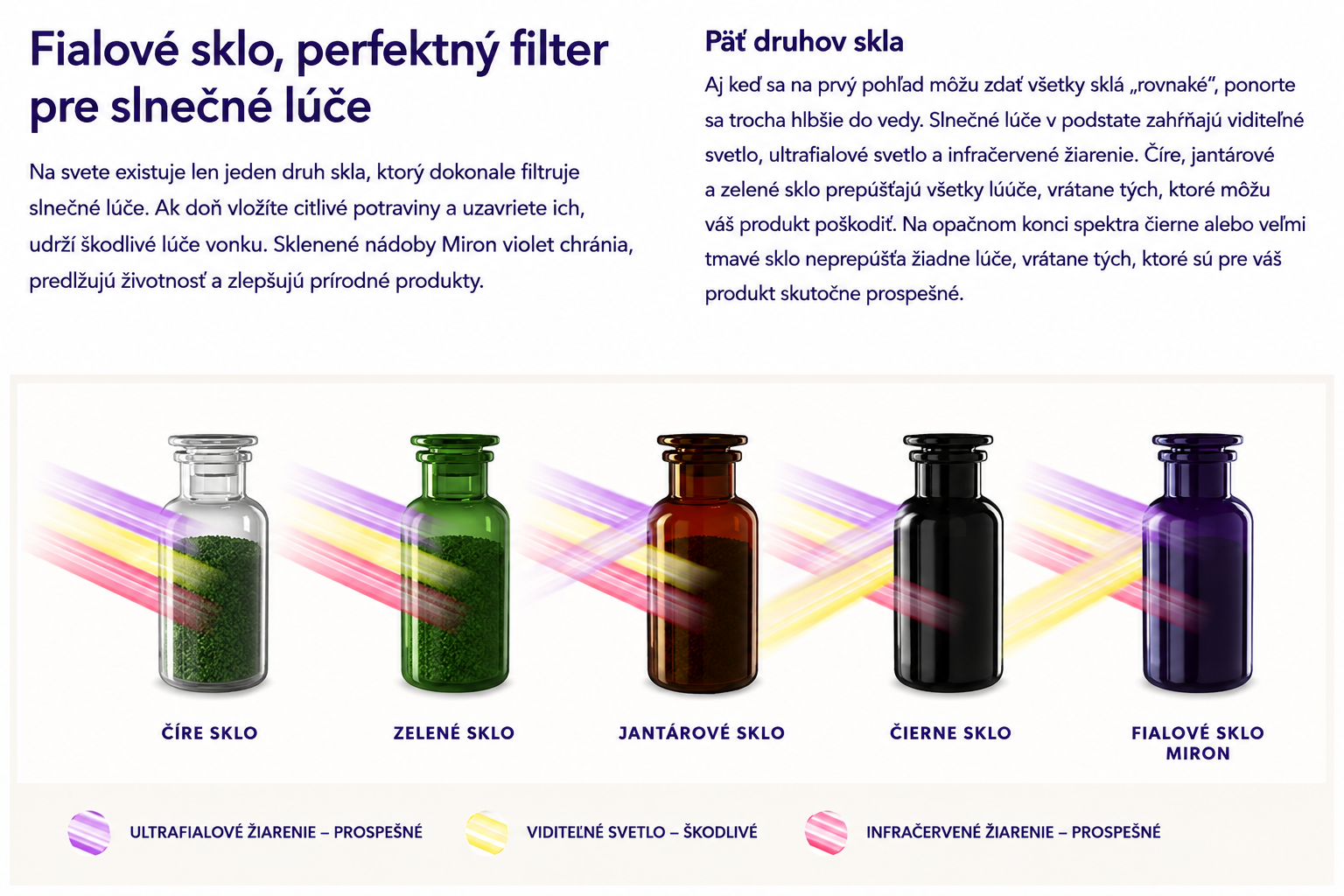
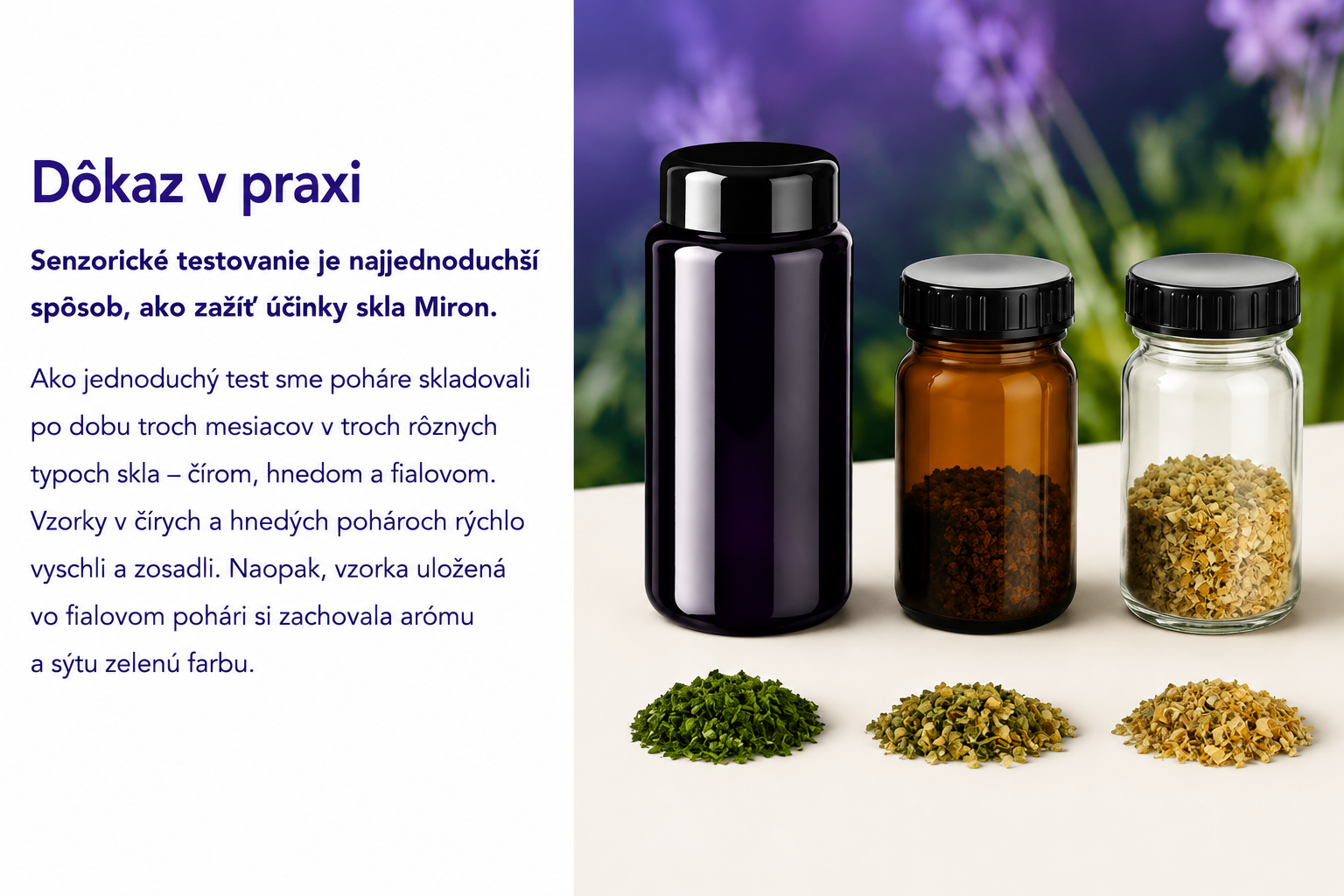
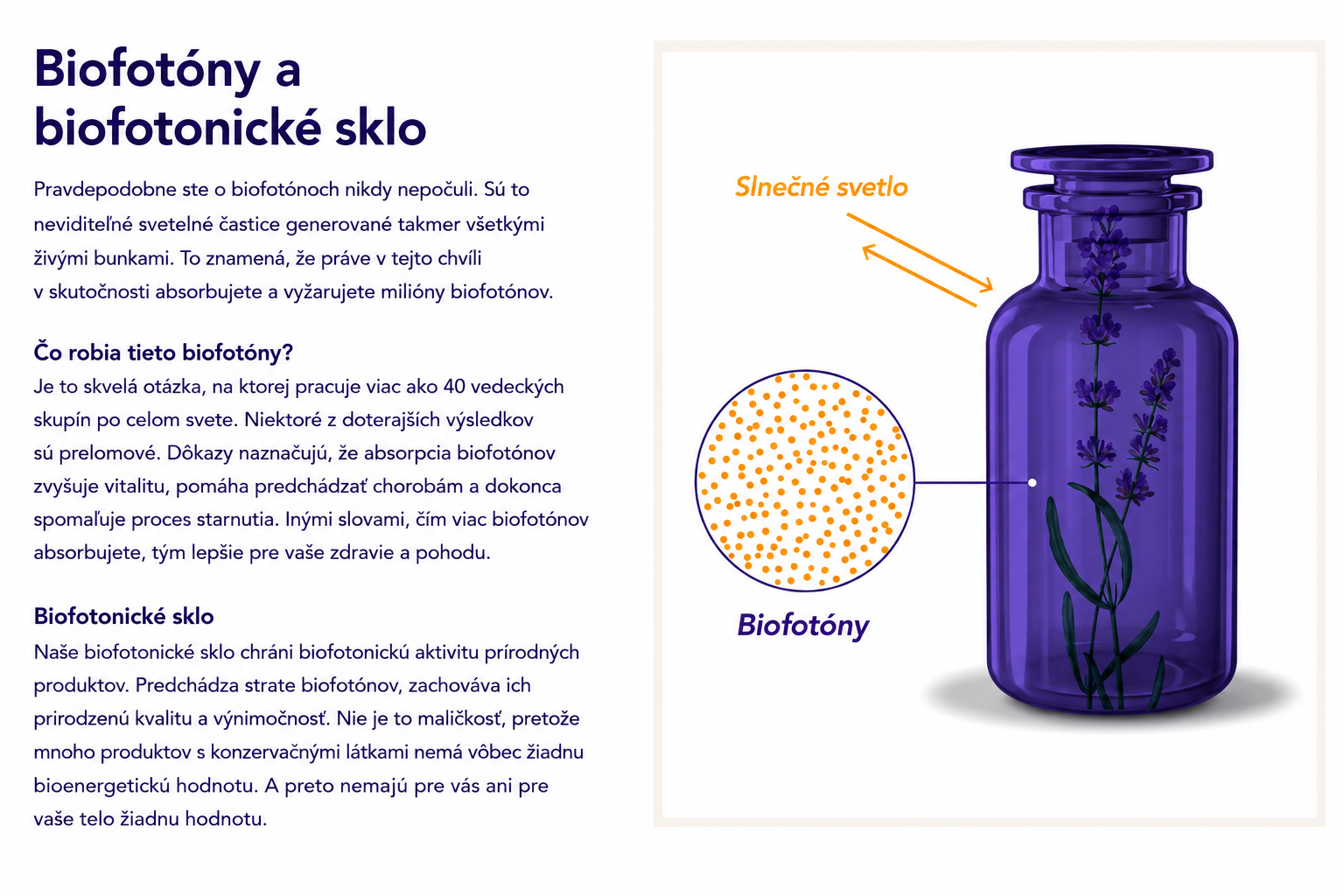
Natural barrier – the special violet glass also acts as a natural barrier for the energy stored in the product itself and helps keep it inside. This extends the product’s natural quality. According to scientific tests, MIRON violet glass offers up to four times better storage properties than other glass, plastic or aluminium packaging. Four times! And without preservatives or additives. Longer service life, reusability and recyclability make MIRON glass a sustainable choice.
Product reviews
Product discussion
There are no questions yet.
Reviews
There are no reviews yet.