

Description
PRIMAL ALCHEMY / RAW MARINE PHYTOPLANKTON
The power of the ocean.
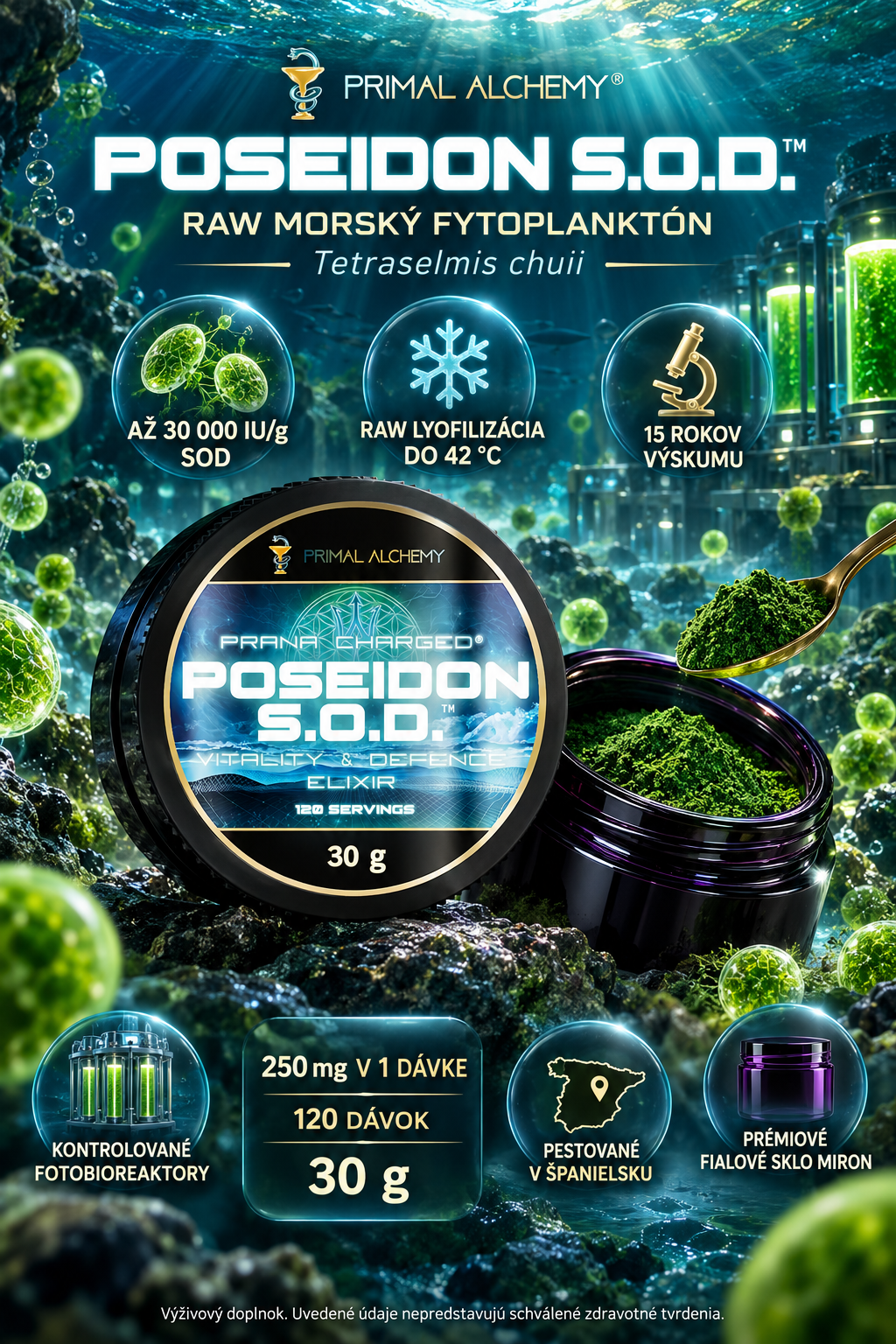
Poseidon S.O.D.™ – marine phytoplankton in RAW powder form.
KEY INFORMATION
Charakter produktu
◇
✧
◉
ESSENTIAL DETAILS
Balenie 30 g
| Produkt | Poseidon S.O.D.™ |
|---|---|
| Forma | RAW powder |
| Weight | 30 g |
PRODUCT OVERVIEW
Detailed description
Poseidon S.O.D.™ by Primal Alchemy® represents the highest level of a unique strain of marine phytoplankton on the market – an original and exceptionally concentrated source of nutrients that evolved in the primordial oceans of planet Earth over billions of years.
The only fresh, deep-green RAW marine phytoplankton of its kind, thoroughly tested and investigated in clinical research and numerous studies, optimized using Prana Charged® technology with a modern orgone energy generator operating at a frequency of 432 Hz – more information below – and stored in premium MIRON violet glass for maximum product protection.
This patented cryodesiccated RAW phytoplankton, processed entirely at temperatures below 42 °C, is characterized by exceptionally high SOD activity. It is one of the most expensive raw materials of its kind in the world, with wholesale prices starting at approximately €3,000 per kilogram for orders of tens of kilograms.
In clinical tests and studies, many of which are listed below, a dose of just 25 mg was used. However, we have included ten times that amount in one recommended serving – 250 mg. This has resulted in an exceptionally concentrated product of its kind: Poseidon S.O.D.™ by Primal Alchemy®.
We recommend using a microbalance to measure exactly 250 mg. As a rough guide, this is approximately half a small coffee spoon. A 30 g package contains 120 servings.
Oceanic phytoplankton may figuratively be described as the “mother’s milk of Earth.” It forms the foundation of marine food chains and directly or indirectly nourishes much of the life in the oceans. It also makes a significant contribution to oxygen production on our planet, although estimates of its precise share vary between sources.
Through photosynthesis, it converts solar energy and supports life in ocean ecosystems. It contains a broad spectrum of naturally occurring nutrients and antioxidants.
Phytoplankton fits perfectly into our philosophy of “abundant simplicity,” adopted from Adam Raw, meaning that even a small amount – in this case 250 mg of concentrated, freeze-dried RAW material – provides a broad spectrum of naturally occurring nutritional components.
Since research into marine microalgae began, more than 40,000 species have been identified, but only a few are suitable and permitted for human consumption. Years of research by microbiologists and nutrition experts have highlighted the interesting nutritional profile of the species Nannochloropsis gaditana, which is therefore frequently used in food supplements.
We previously used this species in Poseidon Force. We subsequently gained access to the patented microalga Tetraselmis chuii – TetraSOD® – characterized by exceptionally high superoxide dismutase activity, which now forms the basis of the new product Poseidon S.O.D.™ od Primal Alchemy®.
This phytoplankton has a deep-green colour and a pronounced oceanic taste and aroma. This results from exceptionally gentle processing using RAW freeze-drying – cryodesiccation – directly at its cultivation site.
TetraSOD® was developed over 15 years of research and is characterized by exceptionally high SOD – superoxide dismutase – activity. Superoxide dismutase is a naturally occurring enzyme involved in the cellular antioxidant system. It helps convert superoxide radicals into less reactive substances and is studied in relation to oxidative stress and reactive oxygen species – ROS.
When the natural balance is disrupted, reactive oxygen species can affect important cellular components such as DNA, lipids and proteins.
Most companies cultivate different strains of microalgae in open tanks, ponds or lakes. Inexpensive, fast-growing microalgae are sometimes ready for harvesting within a few days. They may then be processed using quick, economical methods. Such raw materials are often used as ingredients in various products or as feed for aquatic animals.
The phytoplankton used in Poseidon S.O.D.™ is carefully cultivated in controlled photobioreactors in Spain. Its identity, DNA and characteristic properties are verified. Completing the entire growth cycle requires approximately 90 days of meticulous care and control of the individual conditions.
The result is pure, concentrated RAW phytoplankton with a characteristic composition and high quality.
“The micronutrients and electrolytes in marine phytoplankton are exactly what human cell membranes need to carry out their metabolism.”
— Hugo Rodier, MD
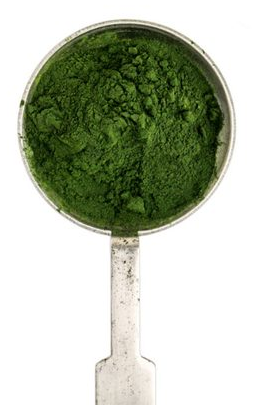
Gentle dehydration into a deep-green concentrated powder is performed by freeze-drying at temperatures below 42 °C – preserving RAW quality – to retain naturally occurring components and micronutrients to the greatest extent possible.
- It contains a broad spectrum of nutritional molecules, including 185 previously unidentified compounds reported by the raw-material manufacturer.
- It has exceptionally high superoxide dismutase – SOD – activity, reaching up to 30,000 IU/g.
- Mikroalga Tetraselmis chuii is permitted for use in foods in accordance with applicable EU regulations; the specific properties of the raw material have been investigated in preclinical and clinical studies.
- A concentrated source of naturally occurring nutrients from marine microalgae.
- Contains naturally occurring pigments, fatty acids, minerals and other bioactive components.
- Naturally contains magnesium.
- It is studied in connection with cellular antioxidant activity and redox balance.
- Contains naturally occurring nucleotides and other components involved in cellular metabolism.
- Obsahuje EPA vo fosfolipidovej forme.
- A natural source of chlorophyll – the green plant pigment.
- Contains lutein, zeaxanthin and other natural pigments.
- RAW powder produced by gentle freeze-drying directly at its cultivation site.
Poseidon S.O.D.™ is obtained from the marine microalga Tetraselmis chuii, cultivated using patented technology. This strain may achieve up to 30 times higher SOD activity than certain other strains of marine phytoplankton available on the market – up to 30,000 IU/g.
It provides a natural combination of nutrients and exhibits high SOD enzymatic activity. This has been investigated in preclinical and clinical studies focusing on its role in the cellular stress response and various physiological parameters.
Available scientific literature examines how cellular antioxidant activity, adaptive stress responses and redox balance change with age. It also highlights growing scientific interest in ingredients with well-characterized biological activity.
What is SOD and what is its function?
Superoxide dismutase – SOD – is a naturally occurring enzyme with antioxidant activity. It forms part of biological mechanisms associated with redox balance and cellular protection at the molecular level.
Superoxide dismutases are important enzymes regulating cellular antioxidant balance and constitute one of the natural enzymatic systems acting against reactive oxygen species.
SOD catalyses the conversion of the superoxide anion into hydrogen peroxide – H₂O₂ – which is then converted into water – H₂O – and molecular oxygen – O₂ – by other enzymes such as glutathione peroxidase – GPx – and catalase – CAT.
These enzymes occur in all taxonomic groups of living organisms – from prokaryotes, namely archaea and bacteria, to eukaryotes. Individual organisms differ in the number of isoforms present.
All known forms of SOD are metalloenzymes. This means they require a metal cofactor for their activity, usually iron – Fe – zinc – Zn – nickel – Ni – copper – Cu – or manganese – Mn.
Poseidon S.O.D.™ exhibits one of the highest SOD activities observed in natural sources. Thanks to manufacturing technology developed by a partner company in Spain, values exceeding 30,000 IU/g of dry biomass have been measured.
Detailed genetic studies of the microalga Tetraselmis chuii identified three genes encoding different SOD isoforms – Mn-SOD, Cu/Zn-SOD and Ni-SOD. Their combined action contributes to the high overall enzymatic activity observed in the raw material used in Poseidon S.O.D.™.
SOD is an enzyme of the natural antioxidant system. Unlike common antioxidants, including carotenoids, flavonoids and vitamins A, E and C, it acts enzymatically and catalyses the conversion of reactive oxygen species into less reactive products.
Antioxidant enzymes such as SOD are sometimes referred to as primary antioxidants. They exhibit catalytic activity, allowing one enzyme molecule to participate repeatedly in reactions with many reactive particles.
Common low-molecular-weight antioxidants, sometimes called secondary antioxidants, generally react with individual reactive particles and may require additional biological mechanisms to restore their function.
How can balance related to oxidative stress be supported?
One of the natural mechanisms in organisms is the enzyme superoxide dismutase – SOD. It occurs in various oxygen-exposed forms of life and has contributed to organisms’ protective mechanisms for more than two billion years.
Metabolism: free radicals versus SOD
Metabolizmus is the set of natural processes through which the body obtains and uses energy from nutrients. Many metabolic reactions use oxygen and produce carbon dioxide as well as other by-products.
During these processes, reactive particles known as free radicalsare naturally formed. They participate in oxidative reactions at the molecular level.
When present in excessive amounts or when the natural balance is disrupted, they may react with cellular components and are studied in connection with:
- changes in DNA, disruption of cell membranes, inflammatory processes and changes in immune-system function.
SOD is an antioxidant enzyme that helps convert superoxide radicals into less reactive molecules. It is therefore part of the natural mechanisms regulating redox balance.
The amount of reactive oxygen species and the activity of endogenous antioxidant systems can be influenced by numerous factors, including diet, lifestyle, physical activity and age.
Poseidon S.O.D.™ is a concentrated food supplement made from the marine microalga Tetraselmis chuii with characterized SOD enzymatic activity. It may form part of the diet of people with active and demanding lifestyles.
Areas of scientific interest relating to SOD
SOD is an enzyme of the natural antioxidant system. Its biological activity and role in redox balance are being studied in various fields:
- antioxidant activity and cellular balance, cognitive functions and mental well-being, general well-being and oxidative balance, cardiovascular health and circulation, physical activity and recovery, physical performance, joint function and mobility, fertility and reproductive functions, hearing and ear health, skin condition and texture, cosmetic uses and skin care, eye health and vision, body weight management and body composition, redox balance and antioxidant processes.
- Foods rich in superoxide dismutase
Certain young cereal grasses, particularly wheatgrass or barley grass juice, vegetables such as peas and broccoli, and fruits such as melon and some berries contain relatively high SOD activity in their dry matter.
Research also identifies certain species of marine algae and phytoplankton as natural sources of SOD.
Natural sources of SOD, GPx and CAT
SOD is an important enzyme of the antioxidant system, which also includes GPx – glutathione peroxidase – and CAT – catalasewhich together contribute to enzymatic antioxidant balance.
When evaluating foods, it is therefore important to consider not only the presence of SOD but also the overall composition and proportions of other naturally occurring substances.
Direct antioxidant capacity can be assessed in the laboratory using tests in vitrosuch as ORAC. These allow individual raw materials to be characterized and compared, but the results cannot be equated directly with effects after consumption in the human body.
Natural sources with high laboratory-measured antioxidant capacity include certain fruits, particularly berries, and selected marine microalgae.
What is ORAC?
ORAC is an abbreviation of the English term Oxygen Radical Absorbance Capacity – Oxygen Radical Absorbance Capacity. This is a laboratory method used to quantify the antioxidant capacity of foods or natural compounds.
ORAC values are expressed in µmol TEwhere TE means Trolox equivalent. Trolox is used as a reference standard for antioxidant activity during measurement.
An ORAC result characterizes the activity of a sample under specific laboratory conditions. On its own, it does not demonstrate a health effect of a food or food supplement in the human body.
A balanced source of antioxidant enzymes
Among the many species of phytoplankton, Tetraselmis chuii – a unicellular marine microalga with a particular nutritional and enzymatic profile – is also a subject of scientific interest.
The basis of Poseidon S.O.D.™ is an ingredient obtained from the microalga Tetraselmis chuii. It contains the enzymes SOD, GPx and CAT, fatty acids, antioxidants, vitamins, minerals, amino acids and natural pigments.
Laboratory-determined antioxidant capacity of Poseidon S.O.D.™
| Parameter na 1 gram | Measured value |
|---|---|
| Aktivita SOD | ≥ 30 000 IU |
| CAA – cellular antioxidant activity assay | 38,94 µmol |
| ORAC – Oxygen Radical Absorbance Capacity | 343 µmol TE |
These values are laboratory parameters of the ingredient and do not in themselves constitute approved health claims.
References and links
- Superoxide dismutase – an updated review of its health significance and industrial applications
- Acetylation of manganese superoxide dismutase and regulation of protein structure in breast cancer biology and treatment
- Effect of orally administered superoxide dismutase on glucose levels in a rat model of type 2 diabetes
- Mitochondrial reactive oxygen species and cancer
- Oxidative stress and the visual system
- Superoxide dismutase 3 and early-stage diabetic retinopathy in a streptozotocin-induced rat model of diabetes
- Antioxidants and their role in disease prevention
- Research into amyotrophic lateral sclerosis induced by the superoxide dismutase 1 mutation – G93A
Research into the Poseidon S.O.D.™ ingredient – Tetraselmis chuii TetraSOD®
Pilot study in humans
A pilot study investigated daily supplementation with 25 mg of Tetraselmis chuii for 30 days. This is ten times less than the 250 mg contained in one serving of Poseidon S.O.D.™.
The results suggested possible changes in certain physiological parameters associated with physical exertion and subsequent recovery. However, given the nature and size of the study, these cannot be regarded as approved health claims or definitive evidence of efficacy.
Tetraselmis chuii
- naturally contains components with laboratory-measured antioxidant activity,
- has been studied in connection with intensive training and physical activity.
Data observed in the study
The following data represent results recorded in a specific study. They are not universally guaranteed effects or approved health claims.
Physical performance
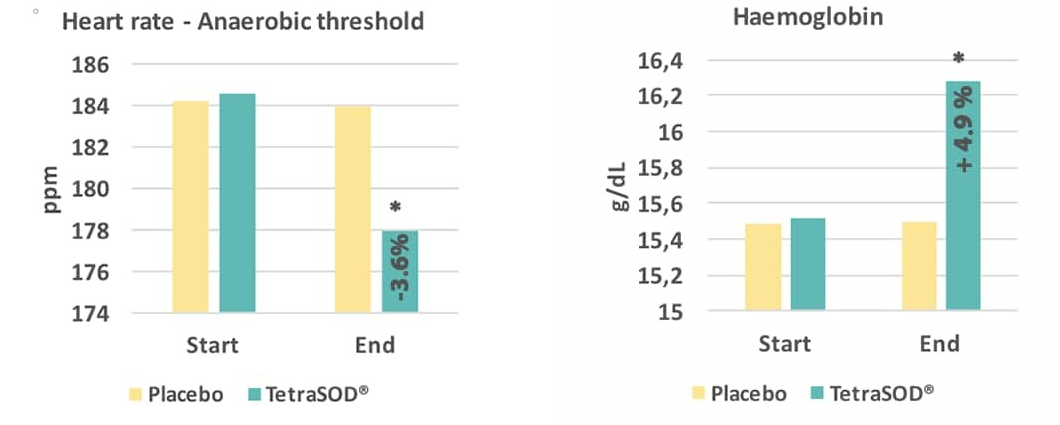
Heart rate
Anaerobic threshold
During physical activity, a statistically significant reduction in heart rate was observed. Heart rate is an objective indicator of the physiological response to exertion.
Observed change in heart rate during activity: −3.6%.
Haemoglobin
Parameters related to oxygen transport
A statistically significant increase in blood haemoglobin concentration was recorded during the study.
Observed change in haemoglobin concentration: +4.9%.
Within the study, higher haemoglobin concentration was associated with changes in parameters related to oxygen transport. This result cannot be generalized to all consumers.
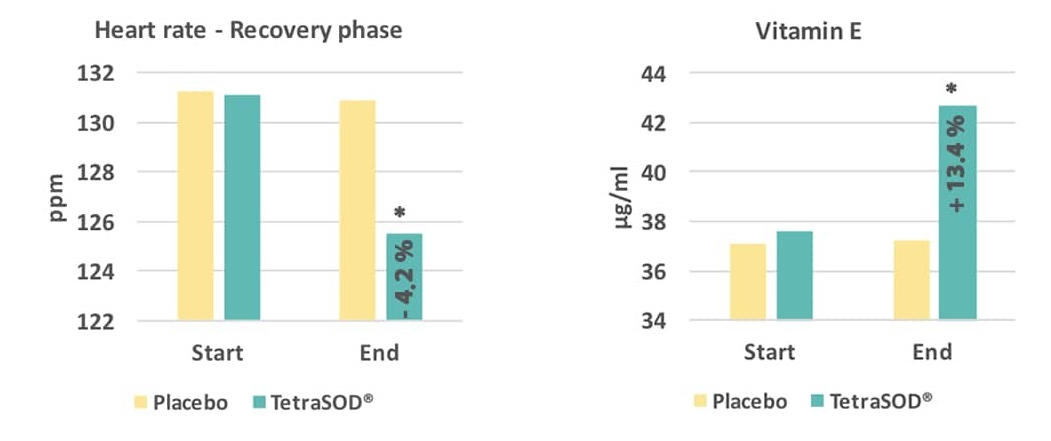
Heart rate
Recovery phase
A statistically significant decrease in heart rate was observed three minutes after physical activity.
Observed change in heart rate three minutes after activity: −4.2%.
Vitamin E levels
Oxidative stress
A statistically significant increase in blood vitamin E concentration was recorded during the study.
Observed change in vitamin E levels: +13.4%.
The study authors assessed this change in relation to exercise-induced oxidative stress.
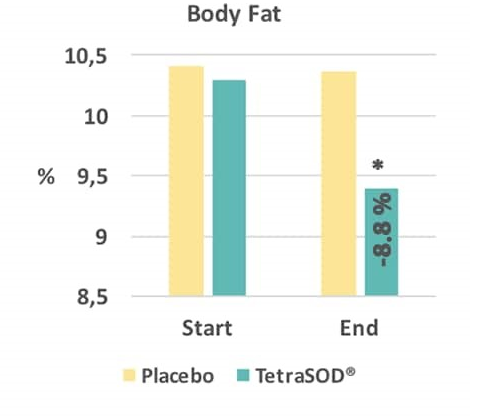
Body fat
A statistically significant reduction in body fat was recorded during the study.
Observed change in body fat: −8.8%.
This result comes from a specific study and does not constitute an approved claim about body weight management.
Scientific research into the Poseidon S.O.D.™ ingredient – Tetraselmis chuii TetraSOD®
Legal notice
The following information is intended exclusively for scientific, technical and informational purposes, primarily for professionals in the food and research sectors. It relates to the ingredient studied, not automatically to the finished product.
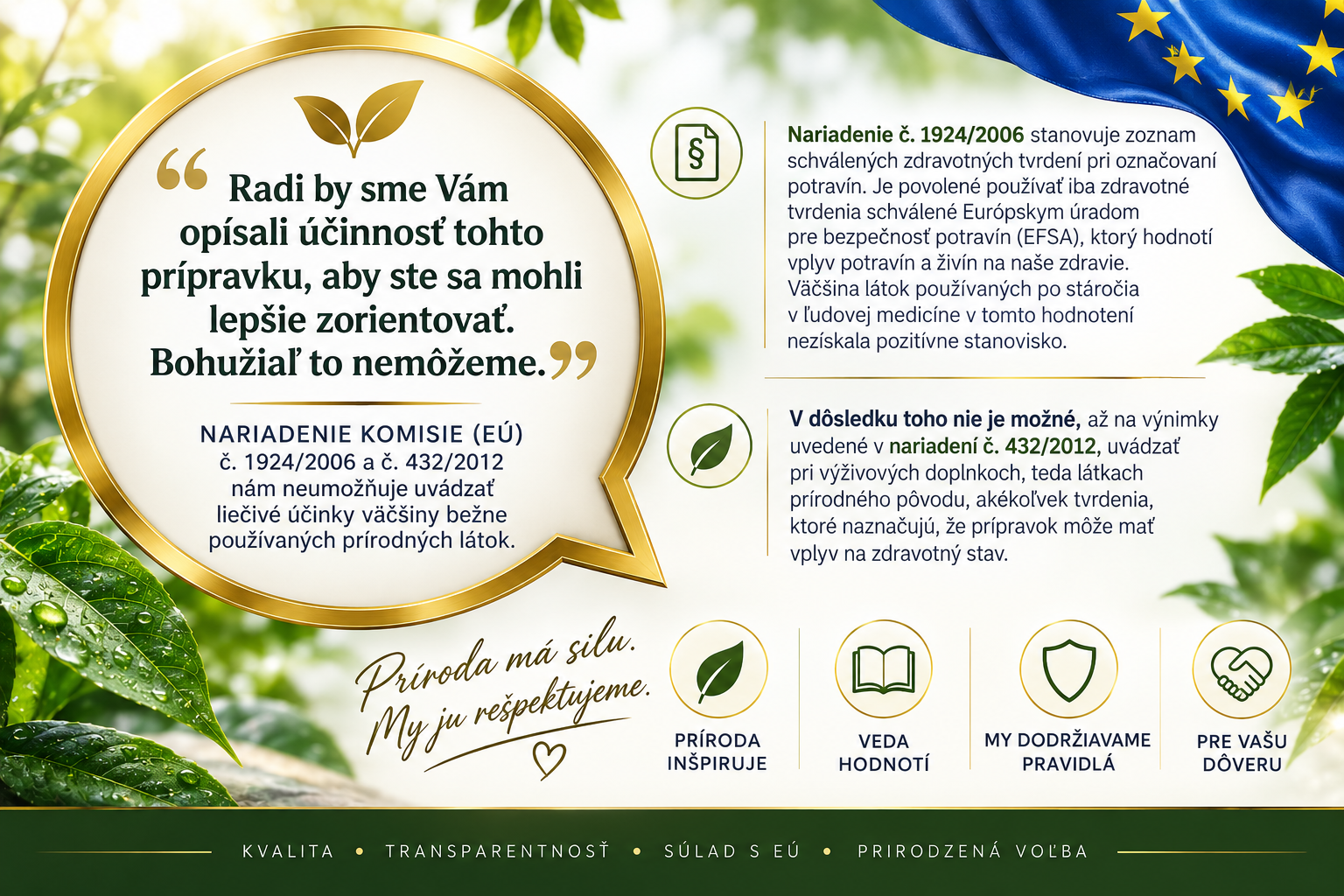
The studies summarized here are for informational purposes and do not constitute approved health claims under Regulation (EC) No 1924/2006.
Poseidon S.O.D.™ – Tetraselmis chuii TetraSOD® is a natural ingredient and is not intended to diagnose, treat or prevent any disease.
Explanatory note
These data summarize results recorded by the authors under the specific experimental conditions of individual studies. These findings cannot automatically be interpreted as proof of the clinical effectiveness of the finished product or as health claims applicable to ordinary consumption of food supplements. No corresponding health claims have been approved for this ingredient in the European Union.
Summary of scientific studies
One of the main objectives of the research was to scientifically evaluate the biological properties of TetraSOD® through studies conducted in collaboration with universities and research centres. Their aim is to better understand the antioxidant and metabolic mechanisms associated with this ingredient. The results of these studies do not in themselves constitute approved health claims or proof of clinical effects of the finished product.
Evaluation of sperm parameters in a pilot clinical study
Title
Improvement of sperm quality in men with idiopathic infertility through supplementation with TetraSOD®: a pilot clinical study
Autori
Juan Manuel Corral, Meritxell Jodar, Roger Matheu, Eva González, Enrique Castaño, Carlos Unamunzaga, Lalia Mantecón and Carlos Infante
Publication details
Biomedical Journal of Scientific & Technical Research 2023, 50(4): 41971 – 41975; doi: 10.26717/BJSTR.2023.50.007999
Objective
The objective of this randomized, single-blind pilot study was to assess the possible effects of TetraSOD®, obtained from the marine microalga Tetraselmis chuiion sperm parameters in men with idiopathic infertility.
The researchers investigated whether supplementation with TetraSOD® could influence sperm parameters in men diagnosed with idiopathic infertility, a condition in which no clear cause of altered sperm characteristics has been identified.
Results
Forty men aged 18 to 45 with diagnosed infertility were randomly divided into two groups. Participants took either 25 mg or 250 mg of TetraSOD® daily for 90 days, approximately the duration of one spermatogenesis cycle.
At baseline and after three months, the following were assessed:
- ejaculate volume,
- sperm concentration,
- total sperm count,
- progressive sperm motility,
- proportion of sperm with normal morphology.
No statistically significant differences between groups were recorded at baseline. After 90 days, the group taking 250 mg daily showed higher values for several parameters compared with the group taking 25 mg daily:
- ejaculate volume: 3.09 ml versus 2.45 ml,
- sperm concentration: 17.16 versus 11.63 × 10⁶ sperm/ml,
- total sperm count: 52.75 versus 28.17 × 10⁶,
- progressive motility: 32.85% versus 26.10%.
Compared with baseline, the authors recorded the following in the 250 mg/day group:
- a 34.93% increase in ejaculate volume,
- an 86.16% increase in sperm concentration,
- a 137.6% increase in total sperm count,
- a 25.86% increase in progressive motility.
Final values for sperm concentration, total count and progressive motility exceeded the corresponding lower reference limits established by the World Health Organization.
In the group taking 25 mg daily, a 21.29% increase in ejaculate volume and a 77.74% increase in total sperm count were recorded after three months. No statistically significant increase in sperm concentration or progressive motility was recorded in this group.
Neither dose demonstrated a statistically significant effect on normal sperm morphology.
Authors’ conclusions
The results of this pilot study suggested possible changes in some sperm parameters, especially at a daily dose of 250 mg for 90 days. The authors pointed to a possible relationship between the dose and the observed results.
They considered the antioxidant activity of SOD and the complex composition of the studied ingredient, including fatty acids, pigments, amino acids, polyphenols, vitamins and minerals, as possible explanations.
However, the study did not include a placebo control group and involved a small number of participants. The results therefore cannot be considered confirmation of a therapeutic effect. Verification requires a larger, double-blind, randomized, placebo-controlled study that also includes intermediate doses.
Activation of the NRF2/HMOX1 antioxidant pathway in human cells – in vitro study
Title
TetraSOD® activates the antioxidant response pathway in human cells: an in vitro approach
Autori
Pilar Ramírez, Sonia Torres, Carmen Lama, Lalia Mantecón, Carlos Unamunzaga and Carlos Infante
Publication details
African Journal of Biotechnology 2020, 19(6): 367 – 373; doi: 10.5897/AJB2020.17163
Objective
The objective was to investigate the antioxidant bioactivity of TetraSOD® extract in human skeletal muscle cells under in vitro conditions.
Researchers investigated whether the extract affected the activity of the antioxidant enzymes SOD, glutathione peroxidase and catalase, and the expression of genes involved in the cellular response to oxidative stress, including the transcription factor NRF2.
Results
Normal human skeletal muscle myoblasts were incubated with TetraSOD® extract for 24 hours at three SOD activity concentrations: 30, 150 and 1,500 U/ml. Phosphate-buffered saline was used as the control.
1. Antioxidant enzyme activity
The lowest concentration of 30 U/ml did not lead to statistically significant changes in enzyme activity compared with the control. At concentrations of 150 and 1,500 U/ml, significant increases in the activity of all three monitored enzymes were observed:
- SOD activity increased by approximately 34% at 150 U/ml and 37% at 1,500 U/ml,
- GPx activity increased by approximately 72–83%,
- CAT activity increased by approximately 37–42%.
2. Gene expression
Following application of TetraSOD® extract, the following changes were recorded:
- SOD1: a 4.49-fold increase at 30 U/ml, 4.32-fold at 150 U/ml and 3.80-fold at 1,500 U/ml,
- SOD2: an increase of approximately 2.02- to 2.14-fold at all concentrations,
- SOD3: no significant changes,
- GPx1: a 2.14-fold increase at 150 U/ml and a 2.23-fold increase at 1,500 U/ml; the increase at 30 U/ml was not statistically significant,
- GPx4: no significant changes,
- CAT: a 1.47-fold increase at 150 U/ml and a 1.55-fold increase at 1,500 U/ml,
- NRF2: a 2.05-fold increase at 150 U/ml and a 2.04-fold increase at 1,500 U/ml; no significant change was recorded at 30 U/ml,
- HMOX1: a 1.69-fold increase at 30 U/ml and a 1.54-fold increase at 150 U/ml; no significant change was recorded at the highest concentration.
Authors’ conclusions
The results of the experiment suggested that TetraSOD® extract influenced the NRF2/HMOX1 pathway and the activity of selected antioxidant enzymes in the cellular model studied. The authors described a combination of direct SOD, GPx and CAT enzymatic activity and indirect effects through expression of genes associated with the cytoprotective response.
The strongest coordinated responses were observed at concentrations of 150–1,500 U/ml. As this was a laboratory study on cells, the results cannot be directly extrapolated to effects after human consumption. Further in vivo studies and clinical trials are needed to clarify the mechanisms and their practical significance.
Haematological, hormonal and anthropometric parameters in healthy young men
Title
Effect of supplementation with the microalga Tetraselmis chuii on anthropometric, hormonal and haematological parameters in healthy young men: a double-blind study
Autori
Ángel García, Víctor Toro-Román, Jesús Siquier-Coll, Ignacio Bartolomé, Diego Muñoz and Marcos Maynar-Mariño
Publication details
International Journal of Environmental Research and Public Health 2022, 19, 6060; doi: 10.3390/ijerph19106060
Objective
The objective was to evaluate changes in haematological, anthropometric and hormonal parameters after 60 days of TetraSOD® supplementation in healthy young men.
The researchers compared two daily doses – 25 mg and 200 mg – with placebo in a double-blind, placebo-controlled study.
Results
Forty-six healthy men were divided into three groups:
- placebo: 16 participants,
- TetraSOD® 25 mg daily: 15 participants,
- TetraSOD® 200 mg daily: 15 participants.
Measurements were taken at baseline, after the first month, after the second month and 30 days after supplementation ended.
Anthropometric parameters
In both groups taking TetraSOD®, the percentage of muscle mass increased and the percentage of body fat decreased after two months compared with baseline. No significant changes were observed in the placebo group.
In the group taking 25 mg daily, a reduction in the sum of six skinfold measurements was also recorded after two months.
Hormonal parameters
In both groups taking TetraSOD®, erythropoietin increased after two months. Insulin-like growth factor 1 levels increased in both groups and remained elevated after the period without supplementation.
Free testosterone increased in the group taking 25 mg daily, both after two months and after supplementation ended. Cortisol levels remained stable in the TetraSOD® groups, while increasing in the placebo group during the post-supplementation period.
Growth hormone decreased during the period without supplementation in both the placebo group and the group taking 200 mg daily.
Haematological parameters
In the group taking 25 mg daily, leukocyte and lymphocyte counts increased. In the group taking 200 mg daily, lymphocyte concentration increased after two months.
Platelet counts decreased in both the placebo group and the group taking 25 mg daily. Haematocrit and mean corpuscular haemoglobin decreased in both TetraSOD® groups during the period after supplementation ended.
Authors’ conclusions
The authors reported changes in certain anthropometric, hormonal and haematological parameters during the study, particularly at a dose of 25 mg daily.
Observed changes included values for free testosterone, IGF-1, erythropoietin, leukocytes, lymphocytes and body composition. The authors suggested high SOD activity, bioactive peptides, polyunsaturated fatty acids and polysaccharides contained in the studied ingredient as possible mechanisms.
These are preliminary results obtained in a small group of healthy young men. Larger and longer studies involving a more diverse population, including women, are needed to confirm them and clarify the mechanisms. The results do not constitute approved health claims.
Preclinical rat model of metabolic syndrome
Study record in the PubMed database
Title
TetraSOD®, a unique marine microalgae ingredient, supports antioxidant and anti-inflammatory status in a rat model of metabolic syndrome
Autori
Katherine Gil-Cardoso, Josep M. Del Bas, Antoni Caimari, Carmen Lama, Sonia Torres, Lalia Mantecón and Carlos Infante
Publication details
Nutrients 2022, 14, 4028; doi: 10.3390/nu14194028
Objective
The objective of the preclinical study was to investigate the effects of three doses of TetraSOD® on antioxidant and inflammatory mechanisms in rats with metabolic changes induced by a cafeteria-style diet.
The researchers investigated whether the ingredient would affect markers of oxidative stress, inflammation and gene expression in various tissues.
Results
Fifty male Sprague-Dawley rats were enrolled. After eight weeks on a cafeteria (CAF) diet, 40 animals were divided into four groups. For the next eight weeks, they received either vehicle or TetraSOD® at 0.17, 1.7 or 17 mg/kg of body weight daily. Ten control animals continued on a standard diet.
1. Plasma markers of oxidative stress and inflammation
At a dose of 17 mg/kg daily, oxidized LDL levels decreased by 11.89% compared with the CAF-diet control group.
At 0.17 mg/kg, nitric oxide metabolite levels increased by 56.67%. At the highest dose, interleukin-10 levels increased by 113%.
2. Liver antioxidant enzymes and markers
The CAF diet reduced liver glutathione levels. At a dose of 17 mg/kg, the level increased by 15.21% compared with the CAF control group.
Glutathione peroxidase activity increased by 12.71% at a dose of 0.17 mg/kg.
3. Gene expression in the liver
Expression of genes involved in glutathione metabolism, including GPX1, glutathione reductase and glutathione synthetase, increased in all TetraSOD® groups.
Expression of SOD1 and SOD2 also increased. Reduced expression was observed for some genes associated with inflammatory pathways, including TGFβ1 and NFκB1.
4. Gene expression in mesenteric white adipose tissue
Adiponectin gene expression increased at doses of 0.17 and 1.7 mg/kg. Expression of IL-1β, TNFα and IFNG decreased in the TetraSOD® groups. Expression of the gene for IL-10 increased at the highest dose.
5. Gene expression in immune tissues
In the thymus, expression of TNFα, IL-1β, IFNG and NFκB1 decreased and IL-10 expression increased at all doses.
Similar changes were recorded in the spleen. FOXP3 expression also increased at 17 mg/kg.
Authors’ conclusions
The authors reported that eight weeks of TetraSOD® administration influenced selected markers of oxidative stress, inflammation and gene expression in the liver, adipose tissue, thymus and spleen of rats.
The results indicated possible involvement of the SOD, GPx and glutathione enzyme systems and the Nrf2/HMOX-1 and NFκB signalling pathways.
However, this was a preclinical animal study. Its results cannot be directly extrapolated to effects in humans or used as evidence of therapeutic or preventive effects of a food supplement.
Assessment of phytoplankton based on parameters related to physical exertion and markers of biological response
Title
Phytoplankton supplementation reduces muscle damage and helps preserve performance during repeated bouts of exercise in humans and improves antioxidant capacity in an animal model
Autori
Matthew Sharp, Kazim Sahin, Matthew Stefan, Cemal Orhan, Raad Gheith, Dallen Reber, Nurhan Sahin, Mehmet Tuzcu, Ryan Lowery, Shane Durkee a Jacob Wilson
Publication details
Nutrients 2020, 12, 1990; doi: 10.3390/nu12071990
Objective
The study examined the effect of TetraSOD® on selected indicators of performance and muscle damage after combined training activities in endurance-trained participants.
The research also included an animal model assessing the effects of various doses on antioxidant capacity in skeletal muscle.
Results
1. Human study
Eighteen endurance-trained participants took 25 mg of TetraSOD® daily or placebo for 14 days.
Twenty-four hours after exercise, squat-jump performance in the TetraSOD® group declined 15% less than in the placebo group.
The decline in isometric strength from baseline to 48 hours after exercise was 12% greater in the placebo group. Serum creatine kinase levels 24 hours after exercise were 14% higher in the placebo group.
2. Animal model
Wistar rats exercised on a treadmill five days a week for six weeks and received various doses of TetraSOD®.
SOD, catalase and glutathione peroxidase activity in muscle tissue increased in a dose-dependent manner in the TetraSOD® groups. Creatine kinase and myoglobin levels were lower than in groups performing exercise alone.
Malondialdehyde levels, used as a marker of oxidative stress, decreased in a dose-dependent manner with TetraSOD® administration.
Authors’ conclusions
The authors recorded differences in selected indicators of performance, muscle damage and intramuscular antioxidant activity between the TetraSOD® and placebo groups.
They suggested changes in the activity of SOD, CAT and GSH-Px enzymes as a possible mechanism. The results suggested potential applications of the studied ingredient in research into recovery following intense physical exertion.
The study involved few participants and also included an animal model. Its results therefore cannot be interpreted as universally applicable or approved health claims.
Assessment of marine phytoplankton based on parameters related to exercise
Title
Marine phytoplankton improves recovery after exercise in humans and activates repair mechanisms in an animal model
Autori
Matthew H. Sharp, Kazim Sahin, Matt W. Stefan, Raad H. Gheith, Dallen D. Reber, Charlie R. Ottinger, Cemal Orhan, Mehmet Tuzcu, Nurhan Sahin, Ryan P. Lowery, Shane Durkee a Jacob M. Wilson
Publication details
International Journal of Sports Medicine 2021, 42: 1070 – 1082; doi: 10.1055/a-1320-1061
Objective
The study examined:
- subjective perceptions of recovery and indicators of force development in humans after intensive resistance training with overload,
- molecular markers associated with muscle-cell repair in an animal model.
The aim was to determine whether TetraSOD® would influence recovery indicators during a period of intense training.
Results
1. Human study
Twenty-two participants completed a five-week resistance-training programme with planned overload periods during the second and fifth weeks. They took either 25 mg of TetraSOD® daily or placebo.
After testing ended, subjective recovery ratings rose by 16% in the TetraSOD® group and declined by 6% in the placebo group.
After overload periods, both peak and mean rates of force development decreased in both groups. At the end of testing, the placebo group remained at 67.7% of its baseline value, while the TetraSOD® group reached 98.0% of baseline.
2. Animal model
Wistar rats exercised on a treadmill five days a week for six weeks. They received placebo, a low dose of TetraSOD® at 2.55 mg/kg daily, or a high dose of 5.1 mg/kg daily.
Expression of MyoD and NCAM increased and expression of myostatin, MuRF-1 and MAFbx decreased in TetraSOD® groups. Creatine kinase levels were lower than in the exercise-only group, with the largest difference at the higher dose.
Authors’ conclusions
The authors observed changes in subjective perceptions of recovery and selected indicators of force development after a period of intense training.
In the animal model, they observed changes in molecular markers related to satellite cells, protein metabolism and muscle tissue damage.
The findings suggested possible mechanisms that require further investigation. No adverse effects or unfavourable changes in monitored blood safety parameters were reported during the study. However, this alone does not establish safety or efficacy for every use and every population.
Effect of Tetraselmis chuii on antioxidant-enzyme gene expression and oxygen uptake indicators
Title
Supplementation with the microalga Tetraselmis chuii increases expression of genes associated with NRF2 and skeletal-muscle antioxidant enzymes and peak oxygen uptake in healthy adults: a randomized crossover study
Autori
Stuart P. Cocksedge, Carlos Infante, Sonia Torres, Carmen Lama, Lalia Mantecón, Manuel Manchado, Jarred P. Acton, Nehal S. Alsharif, Tom Clifford, Alex J. Wadley, Richard A. Ferguson, Nicolette C. Bishop, Neil R. W. Martin and Stephen J. Bailey
Publication details
Antioxidants 2025, 14, 435; doi: 10.3390/antiox14040435
Objective
The objective was to assess the effect of 14 days of supplementation with 25 mg of the microalga Tetraselmis chuii denne na:
- high-intensity endurance exercise capacity,
- peak oxygen uptake VO₂peak,
- expression of genes related to NRF2 signalling,
- antioxidant and inflammatory responses in human skeletal muscle.
Results
The research consisted of two separate experiments with independent groups of participants.
In the gene-expression study, 13 healthy men completed a randomized, double-blind crossover protocol. For 14 days, they took T. chuii or placebo, with a two-week washout period between the phases.
In the exercise-performance study, another 13 healthy men followed the same protocol with testing before and after each supplementation phase.
Gene-expression results
After supplementation with T. chuii a statistically significant increase in the expression of 15 skeletal-muscle genes was recorded. These included:
- NRF2: 1.62-fold,
- GPX7: 1.26-fold,
- GSR: 1.22-fold,
- GSTM3: 1.34-fold,
- PRDX6: 1.36-fold,
- ERK3: 1.92-fold,
- p38α: 1.33-fold,
- SIRT1: 1.73-fold,
- PLA2G12A: 1.63-fold,
- PLA2G16: 1.36-fold,
- JUN: 1.53-fold,
- CUL3: 1.77-fold.
Another 12 genes showed increased expression with a moderate effect size, but the results did not reach statistical significance. These included catalase and SOD2.
For 53 genes, a negative association was observed between baseline expression and the magnitude of the subsequent change. Participants with lower baseline expression generally showed greater increases.
Exercise-test results
VO₂peak after supplementation with T. chuii increased statistically significantly, whereas no significant change was recorded after placebo.
Oxygen uptake at the end of exercise increased from 3.92 ± 0.28 l/min to 4.06 ± 0.38 l/min.
No significant changes were recorded in:
- perceived exertion at the end of exercise,
- blood lactate concentration,
- time to exhaustion.
Time to exhaustion increased by 17%, but the difference was not statistically significant.
Authors’ conclusions
Fourteen days of supplementation with 25 mg of T. chuii daily was associated in this small study with increased expression of several genes related to NRF2 signalling, antioxidant enzymes and the cellular stress response.
The authors also recorded an increase in VO₂peak. They suggested involvement of the NRF2, SIRT1 and MAPK pathways as a possible explanation, but mitochondrial content was not directly assessed in the study.
The results suggested a possible role for individuals’ baseline antioxidant status. The ingredient was well tolerated during the study and no adverse effects were reported.
Given the small number of participants and short study duration, further research is needed. The results do not constitute an approved health claim.
Assessment of Tetraselmis chuii supplementation in amateur footballers
Title
Effect of supplementation with the microalga Tetraselmis chuii on ergospirometric, haematological and biochemical parameters in amateur footballers
Autori
Víctor Toro, Jesús Siquier-Coll, Ignacio Bartolomé, María C. Robles-Gil, Javier Rodrigo and Marcos Maynar-Mariño
Publication details
International Journal of Environmental Research and Public Health 2020, 17, 6885; doi: 10.3390/ijerph17186885
Objective
The objective was to analyse the effect of 30 days of supplementation with 25 mg of TetraSOD® daily on ergospirometric, haematological and biochemical parameters in amateur footballers.
This was a double-blind, placebo-controlled study focused on indicators of aerobic capacity, heart-rate response and selected blood parameters.
Results
Thirty-two amateur footballers were randomly divided into two groups:
- placebo: 16 participants,
- TetraSOD®: 16 participants.
For 30 days, they took 25 mg of TetraSOD® or lactose placebo daily.
1. Ergospirometric parameters
After supplementation, the TetraSOD® group showed a reduced heart rate at both the aerobic threshold VT1 and anaerobic threshold VT2.
Maximum heart rate decreased from 198.43 ± 6.28 to 194.42 ± 4.52 beats per minute.
Oxygen pulse increased from 19.04 ± 2.53 to 22.08 ± 2.25 ml per heartbeat.
Absolute VO₂max increased from 3.72 ± 0.35 to 3.99 ± 0.25 l/min and relative VO₂max from 53.56 ± 3.26 to 56.74 ± 3.43 ml/min/kg.
Heart rate measured three minutes after the test ended was lower following supplementation.
2. Haematological parameters
Haemoglobin increased from 15.12 ± 0.87 to 16.58 ± 0.74 g/dl.
Mean corpuscular haemoglobin increased from 28.03 ± 1.57 to 30.82 ± 1.21 pg.
Haematocrit decreased from 48.03 ± 2.15 to 46.68 ± 2.05%, and mean platelet volume from 9.02 ± 1.13 to 8.04 ± 1.05 fl.
3. Biochemical parameters
Glucose increased from 83.01 ± 10.31 to 91.01 ± 5.40 mg/dl.
Uric acid increased from 5.76 ± 0.76 to 6.04 ± 0.77 mg/dl and creatinine from 0.96 ± 0.10 to 1.07 ± 0.12 mg/dl.
According to the authors, all monitored biochemical values remained within the clinical reference range. No significant changes were recorded in the control group.
Authors’ conclusions
The authors reported changes in several ergospirometric parameters after 30 days of TetraSOD® supplementation, including heart rate, oxygen pulse and maximum oxygen uptake.
The authors associated increased haemoglobin and mean corpuscular haemoglobin with possible changes in oxygen transport. All monitored biochemical values remained within the reference range during the study.
These results are preliminary and come from a small group of amateur footballers. They cannot establish a general ergogenic, therapeutic or protective effect. Larger studies with more diverse participants and different doses are needed.
Illustrative product infographic:

Reviews
There are no reviews yet.